
Projects
Our research centers on understanding toxic mechanisms of chemical and biological poisons and translating that knowledge into therapies. From individual receptors to multi-organ responses, we develop antidotes, countermeasures, and organoid models of complex toxic injuries.
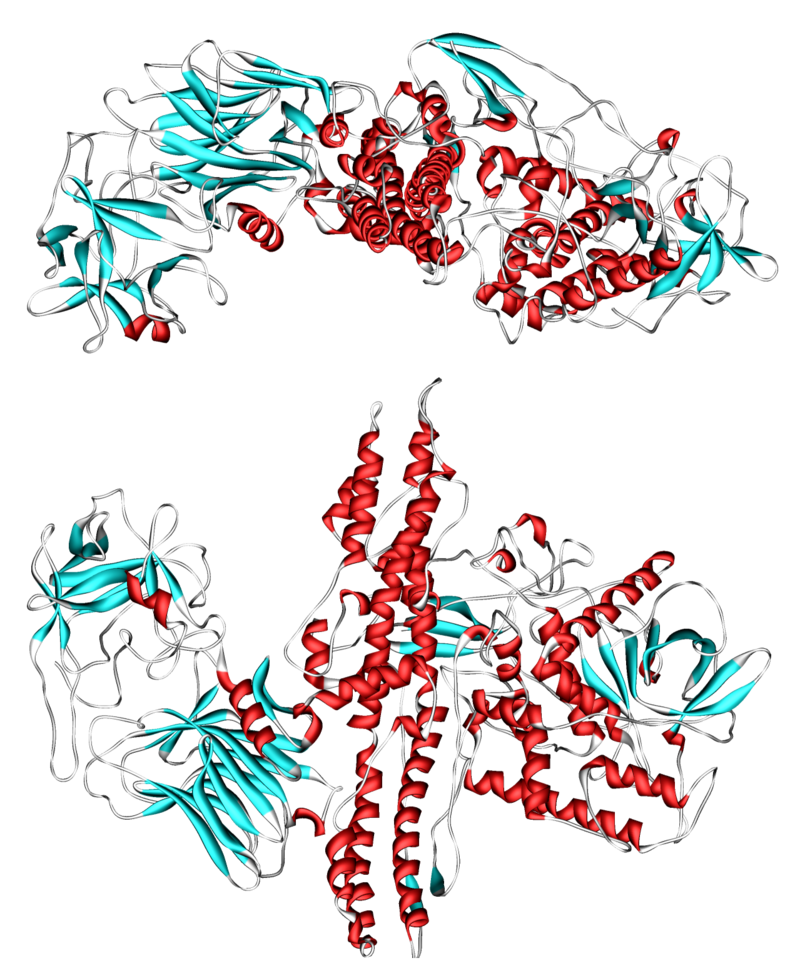
We showed that the FDA-approved drug 3,4-diaminopyridine (3,4-DAP) reverses systemic paralysis and promotes survival when given after symptom onset in lethal botulism — the first small-molecule symptomatic treatment to do so. Ongoing work combines 3,4-DAP infusion with antitoxin to improve outcomes at higher toxin doses.
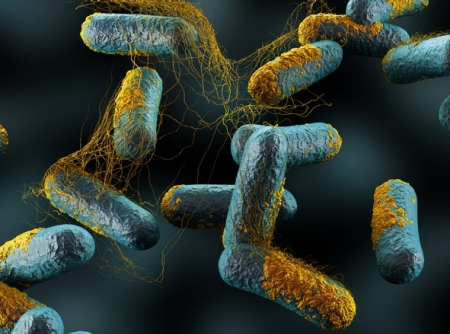
In collaboration with the Ichtchenko and Shoemaker labs, we engineered atoxic derivatives of botulinum neurotoxin (BoNT) to deliver therapeutic antibodies into poisoned nerve terminals, rescuing mice, guinea pigs, and nonhuman primates after lethal toxin challenge.
Directed by Dr. Patrick McNutt, the Wake Forest Vesicant ExRC provides shared infrastructure — mechanistic toxicology models, human organoid exposure platforms, and regulatory support — to the NIH Chemical Countermeasures Research Program (CCRP) community.